Back-to-back games in the NHL: What do they mean for your NHL bets?


Back-to-back games in the NHL: What do they mean for your NHL bets?
With more than 1,200 regular-season games packed into just a few months, the NHL schedule is one of the most demanding in professional sport. Teams often face tight travel schedules and limited rest, and one of the toughest challenges for players – and one of the most intriguing factors for bettors – is the back-to-back game. That’s when a team plays two games on consecutive days, often with travel in between. But how does this affect performance on the ice, and how can you use that knowledge to make smarter NHL bets?
What is a back-to-back game?
A back-to-back simply means a team plays two games in a row without a rest day in between. It could be two home games, two away games, or a mix – for example, a road game followed by a home game the next night.
In a league that stretches across North America, with long flights and multiple time zones, these quick turnarounds can have a real impact on player recovery and energy levels. That’s why understanding back-to-backs is essential when analysing NHL matchups.
Læs også:



Fatigue and performance – what the numbers show
Statistics consistently show that teams tend to perform worse in the second game of a back-to-back, especially when both games are on the road.
- Goals allowed: Teams generally concede more goals in the second game, likely due to fatigue affecting both defence and goaltending.
- Shots on goal: Offensive output often dips slightly, suggesting lower energy and less puck possession.
- Travel distance: The longer the trip between games, the greater the effect. A team flying from Los Angeles to New York overnight faces a much tougher challenge than one playing two games within the same region.
Of course, there are exceptions. Deep teams with strong depth can rotate players effectively, and younger squads may recover faster. That’s why it’s important to look at each team’s specific situation rather than relying solely on general trends.
The goaltender factor – a key variable for your bets
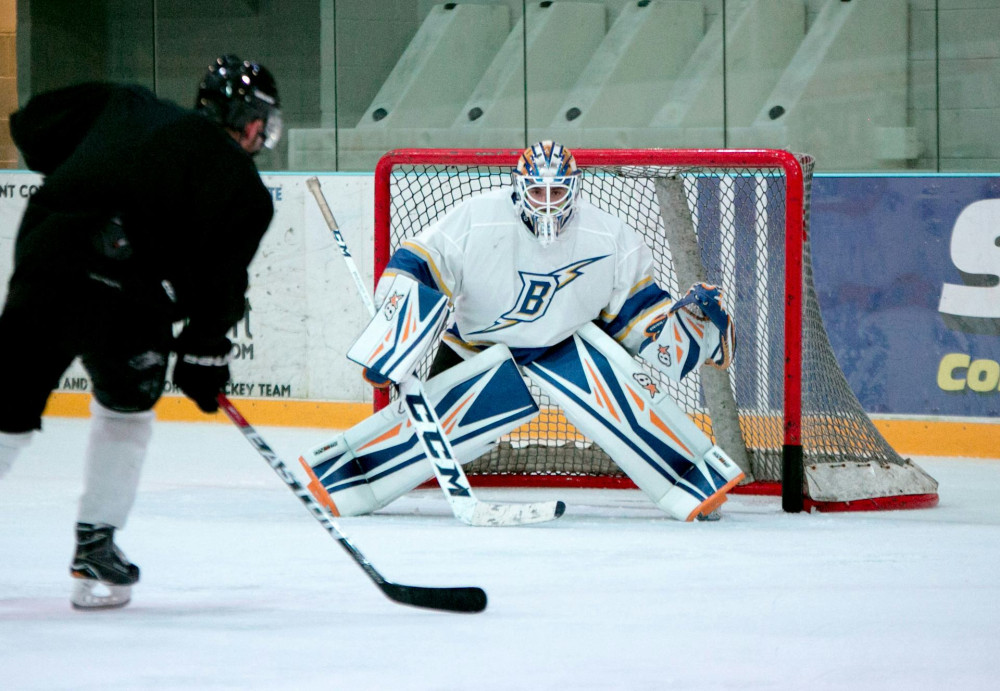
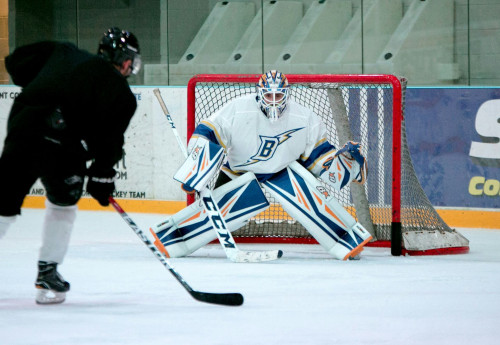
Goaltending is crucial in the NHL, and in back-to-back situations, many coaches rest their starting goalie for one of the two games. That means you’ll often see backup goalies in action – and that can dramatically change the game’s outlook.
When analysing a matchup, always check who’s expected to start in net. A backup with a lower save percentage can shift the odds significantly. A good tip is to follow team reporters and official updates on social media, as they often reveal goaltending plans before bookmakers adjust their lines.
Home ice and motivation – two factors that can offset fatigue
While fatigue matters, it’s not always a death sentence for teams in the second game. Home ice can make a big difference. A team returning home to play in front of its fans often performs better than one still on the road.
Motivation also plays a role. A team that lost the first game may come out with extra energy to bounce back, while a team that won comfortably might be more relaxed – and therefore more vulnerable.
How to use back-to-back data in your NHL bets
When evaluating an NHL game, consider the following:
-
Is it the first or second game of a back-to-back? Check whether the team has travelled between games and how far.
-
Who’s in goal? Backup goalies can change the entire dynamic of a matchup.
-
What’s the team’s current form? Teams in good form often handle fatigue better than those struggling for confidence.
-
Are there injuries or lineup rotations? Coaches may rest key players in one of the games, especially if the opponent is weaker.
-
How are the bookmakers reacting? Sometimes the market overreacts to back-to-back situations, creating value on the “tired” team if the odds drift too far.
A useful tool – not a guarantee
Back-to-back data is a valuable tool, but it should be part of a broader analysis. The NHL is unpredictable, and factors like motivation, injuries, and goaltending often outweigh pure fatigue.
The best approach is to combine data with context: look at travel schedules, goalie rotations, and how teams have handled similar situations in the past. That’s where you’ll find the small edges that make a difference over time.
Conclusion: Turn the schedule into an advantage
Back-to-back games are a built-in feature of the NHL calendar – and one of the most fascinating elements for bettors who want to understand the rhythm behind the odds. By analysing how teams respond to fatigue, travel, and lineup changes, you can uncover value where others see randomness.
It’s not about avoiding teams in back-to-back situations, but about knowing when the market has over- or underestimated the effect. With that insight, you can make more informed decisions and improve your long-term success in NHL betting – whether you’re following the action from Auckland, Wellington, or anywhere else in New Zealand.
Læs også: