Emotions and Games: How Different Game Types Affect Our Reactions


Emotions and Games: How Different Game Types Affect Our Reactions
Games are more than just entertainment – they stir emotions, shape our moods, and even influence how we connect with others. From the thrill of a last-minute victory to the calm of a quiet puzzle, different types of games trigger different emotional responses. But what exactly happens when we play, and how can understanding these reactions help us enjoy gaming in a healthier way?
Excitement and Adrenaline – When the Pace Picks Up
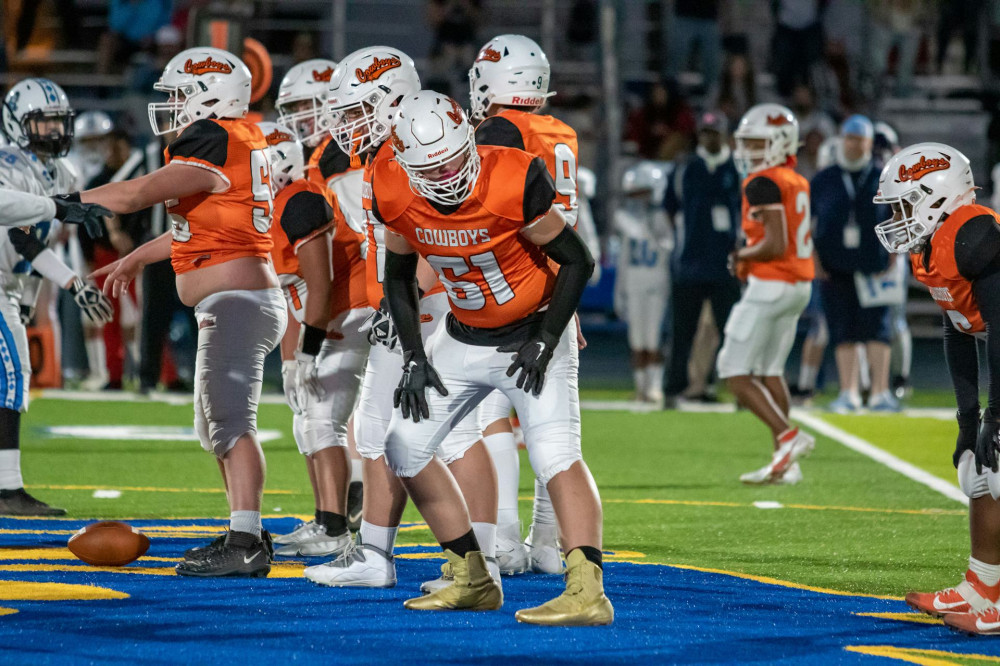
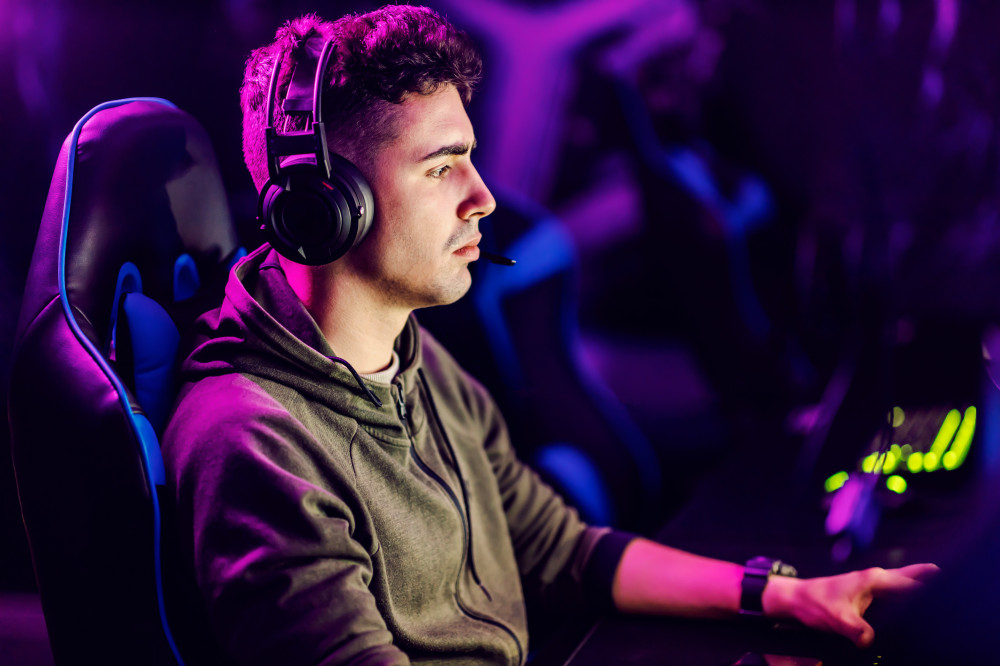
Fast-paced games like action titles, sports simulations, and online betting experiences all have one thing in common: they get our hearts racing. When we face unpredictable outcomes, our brains release dopamine – the chemical linked to reward and motivation. It’s the same rush we feel when our favourite rugby team scores a try or when we hit a winning streak in a casino game.
In New Zealand, where both online gaming and sports betting are popular pastimes, this dopamine-driven excitement can be especially powerful. The tension of waiting for the next move or result keeps us engaged, focused, and physically alert. It’s thrilling – but it can also become addictive if we start chasing that feeling too often.
Strategy and Control – The Satisfaction of Thinking Ahead
Strategy games, chess, and card games like poker appeal to a different emotional side. Here, success depends on planning, patience, and foresight rather than quick reflexes. The satisfaction of outsmarting an opponent or executing a clever plan provides a deep sense of accomplishment.
For many Kiwi players, this sense of control is what makes strategy games so rewarding. Unlike games of chance, these experiences give us the feeling that our choices truly matter. That can boost confidence and focus – though it can also lead to frustration when things don’t go as planned.
Calm and Relaxation – When Games Become a Break
Not all games are about competition. Puzzle games, farming simulators, and relaxing mobile apps can have a soothing, almost meditative effect. They allow us to focus on simple tasks and take a mental break from daily stress.
Research suggests that these calming games can reduce anxiety and improve mood. Many New Zealanders use them as a way to unwind after work or during a quiet evening at home. They offer a different kind of emotional reward – one rooted in peace and mindfulness rather than excitement or challenge.
Social Games – Connection Through Play
Multiplayer games, whether online or around a board, bring a social dimension to gaming. They’re not just about winning; they’re about teamwork, communication, and shared experiences. Emotions can swing from joy and laughter to tension and rivalry – much like in any social setting.
In a country where community and connection are highly valued, social gaming can strengthen relationships. Whether it’s teaming up in an online adventure or gathering for a board game night, these shared moments create bonds that extend beyond the game itself.
When Emotions Take Over – Finding Balance
Emotions are a natural part of gaming, but they can sometimes become overwhelming. This is especially true in games involving money or high stakes, where excitement can turn into stress or even addiction. Recognising our emotional responses is key to maintaining balance.
Taking breaks, setting limits, and reflecting on how games make us feel can help keep gaming enjoyable and healthy. Games should enhance our lives, not control them. By understanding which types of games energise us and which ones drain us, we can make more mindful choices about how we play.
Læs også:


Games as Mirrors of Our Emotions
Whether we play for excitement, strategy, relaxation, or connection, our gaming habits reveal something about what we seek emotionally. Games are not just pastimes – they’re small emotional laboratories where we can explore joy, frustration, hope, and patience.
By understanding how different game types affect us, we can use gaming not only as entertainment but also as a way to learn more about ourselves – and to find balance between play, emotion, and well-being.
Læs også: