Esports as Learning: How Games Strengthen Technical and Strategic Skills

Esports as Learning: How Games Strengthen Technical and Strategic Skills
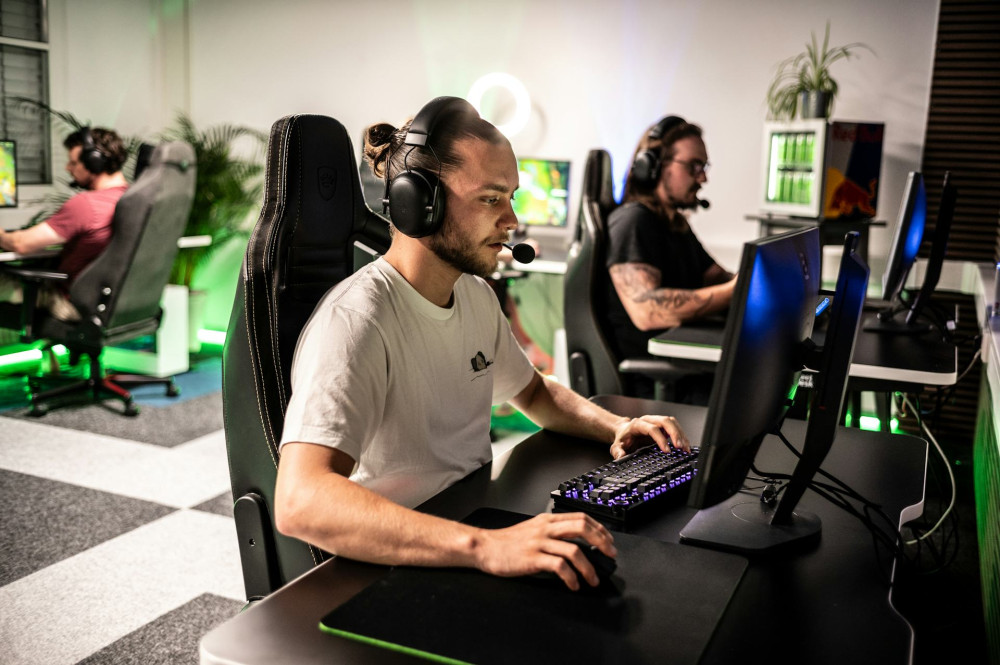
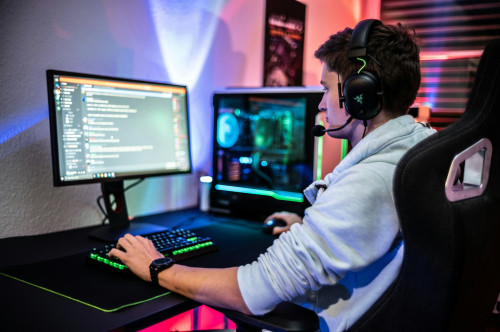
Esports are no longer just a pastime for young gamers. Today, competitive gaming has become a global phenomenon that blends technology, teamwork, and strategy at a level once reserved for traditional sports and business environments. Beyond entertainment, esports hold remarkable potential as a learning tool. Games like League of Legends, Counter-Strike 2, and Valorant can help develop both technical and strategic skills that extend far beyond the screen.
From Gaming to Learning – A New Approach to Skill Development
For years, video games were seen as distractions, but educators and employers are now recognising their educational value. Esports demand focus, problem-solving, communication, and the ability to think several steps ahead – precisely the skills needed in a digital and fast-changing world.
Across New Zealand, schools and tertiary institutions are beginning to explore esports as part of their learning environments. Some secondary schools have introduced esports clubs or elective courses, using games as a way to teach collaboration, digital literacy, and strategic thinking. Students learn to analyse data, plan tactics, and evaluate performance – all within a setting that feels engaging and relevant to their interests.
Building Technical Understanding Through Play
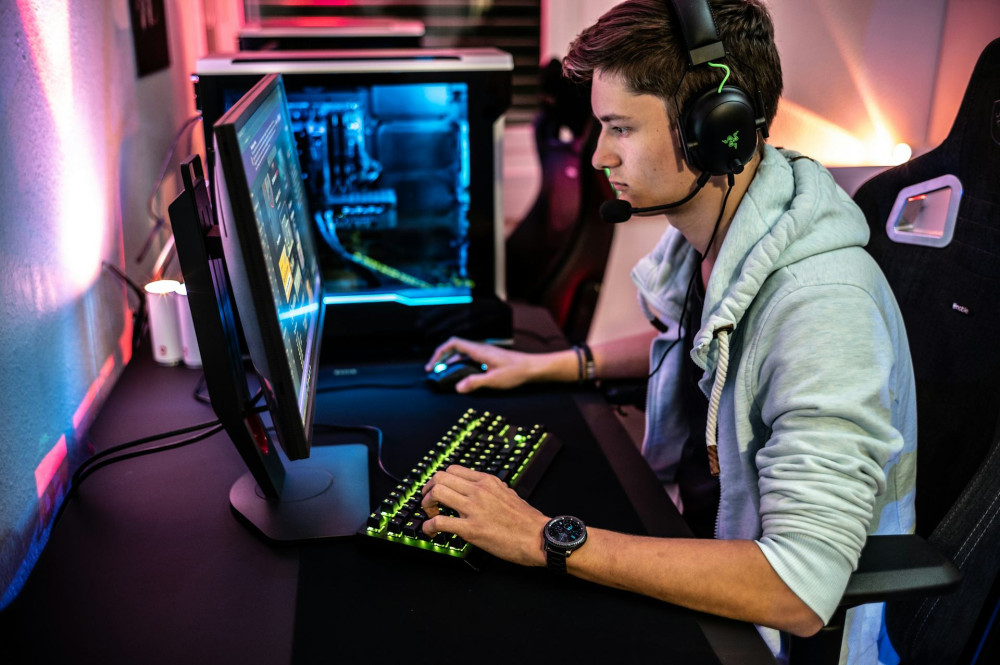
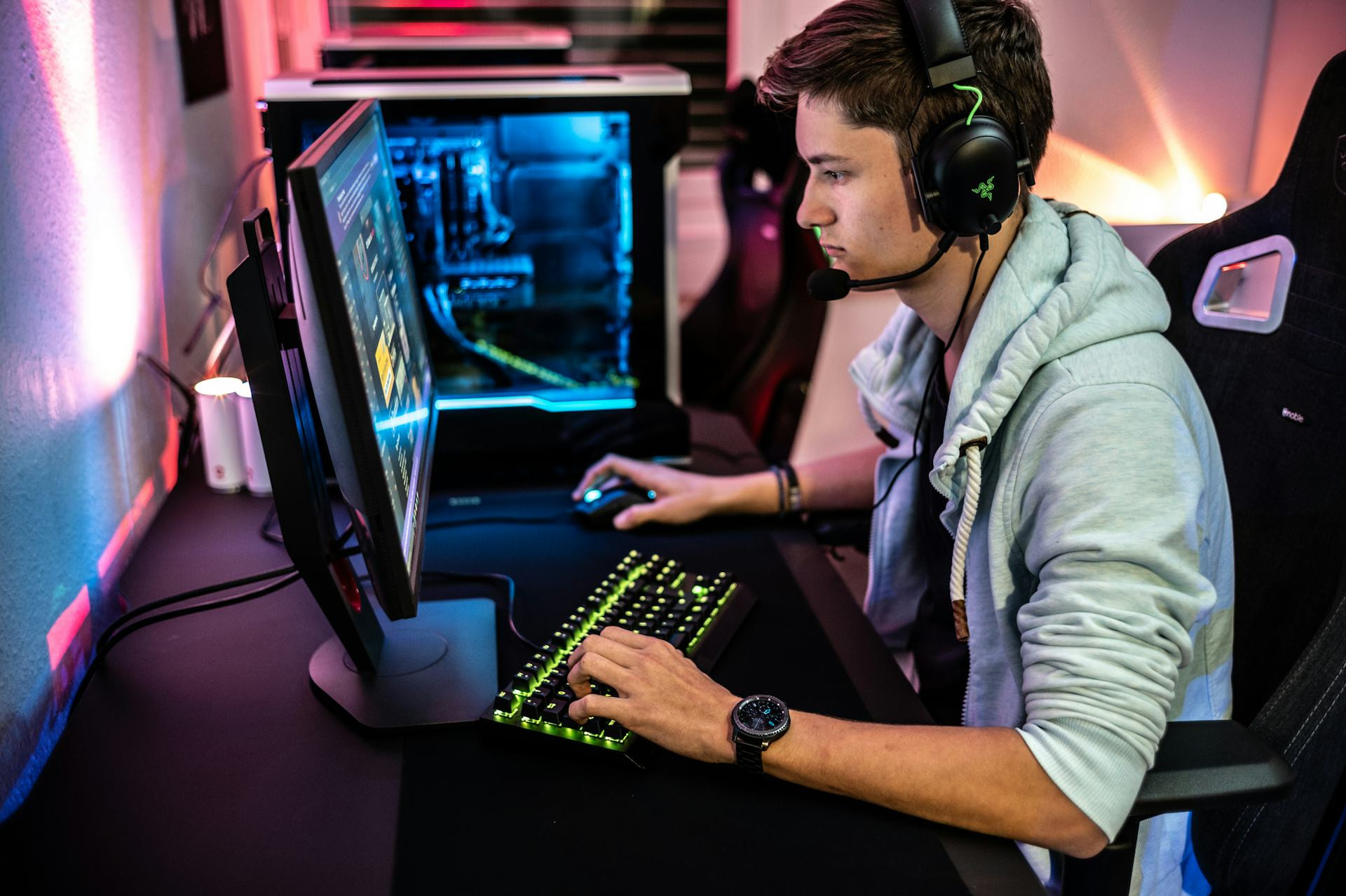
Behind every game lies a complex system that players learn to understand and manipulate. Mastering a game requires knowledge of mechanics, resource management, and technical details such as network performance, hardware optimisation, and software configuration.
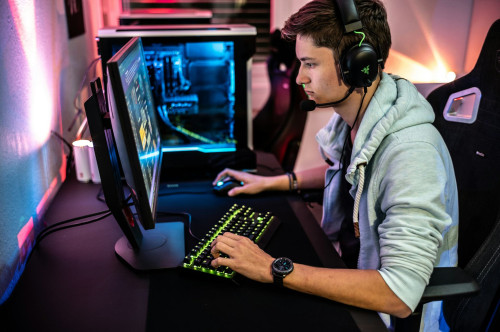
Many young New Zealanders who start gaming develop a curiosity for the technical side: how to build or upgrade a PC, improve graphics settings, or interpret in-game statistics. This curiosity can spark interest in fields like IT, programming, or data science – areas that are increasingly vital to New Zealand’s growing tech sector.
Læs også:
Strategic Thinking and Decision-Making
Esports are as much about strategy as they are about reflexes. Players must assess situations, anticipate opponents’ moves, and make quick decisions under pressure. These experiences build analytical thinking and goal-oriented decision-making – skills that are equally valuable in business, education, and everyday life.
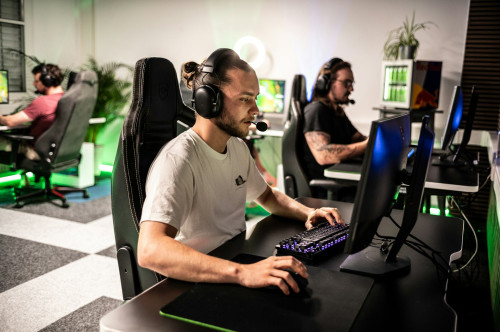
In team-based games, communication and role distribution are essential. Players must coordinate effectively, give and receive feedback, and adapt to changing circumstances. This mirrors the dynamics of modern workplaces, where collaboration and adaptability are key to success.
Esports as Social and Mental Training
Although esports take place in digital spaces, they are deeply social activities. Players form communities – both online and in person – where they share experiences, support one another, and compete in a healthy, structured way. For many young people in New Zealand, especially those who may not connect with traditional sports, esports provide a sense of belonging and teamwork.
At the same time, esports demand mental discipline. Training consistently, handling losses, and maintaining focus under pressure all build resilience and emotional control. Professional players often work with coaches or psychologists to improve concentration, stress management, and motivation – skills that are just as useful in study and work as they are in competition.
From Hobby to Career Path
The growth of esports has opened new career opportunities – not only as players but also as coaches, analysts, event organisers, commentators, and technical specialists. In New Zealand, the esports industry is still emerging, but it is gaining recognition through national tournaments, university leagues, and partnerships with tech companies. These initiatives show that gaming can be a gateway to careers in technology, media, and education.
For many young people, esports serve as a way to discover their strengths and interests. Some are drawn to the strategic side, others to the technical or social aspects. What unites them is the development of transferable skills that can be applied in many areas of life.
A New Understanding of Learning
Esports demonstrate that learning doesn’t have to happen only in classrooms or through textbooks. When used intentionally, games can be powerful tools for developing both academic and personal skills. It’s not just about playing to win – it’s about using play to understand teamwork, technology, and strategy in new and meaningful ways.
As esports continue to evolve, it’s becoming clear that gaming is more than entertainment. It’s a form of learning that can prepare young New Zealanders for the digital challenges of the future – and perhaps even make them better thinkers, collaborators, and decision-makers, both in the game and beyond.
Læs også: