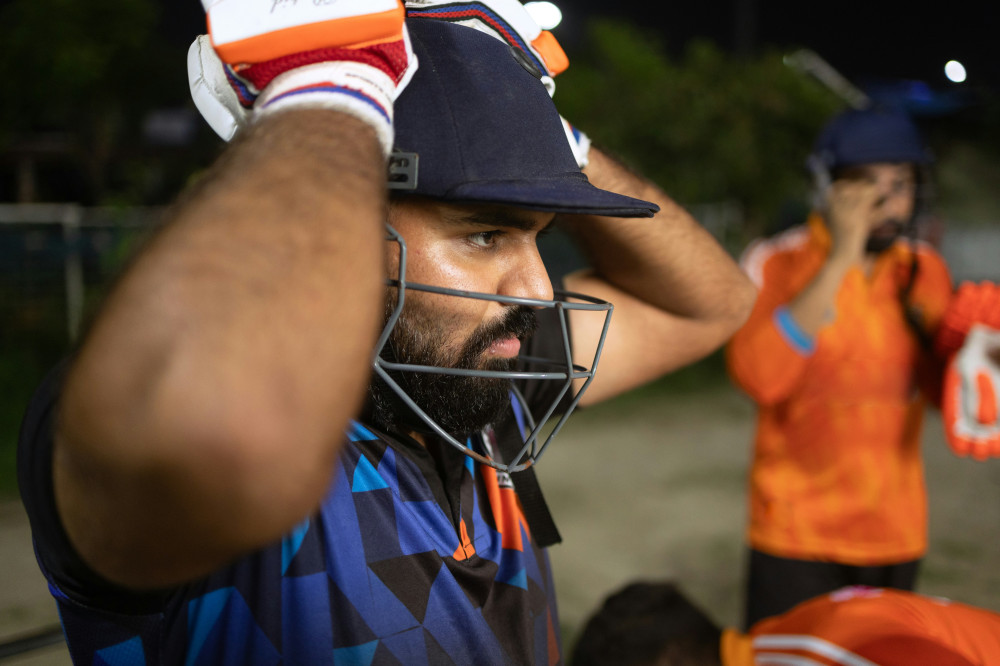
Player Form and Team Performance: How They Influence Each Other in Cricket


Player Form and Team Performance: How They Influence Each Other in Cricket
Cricket is a team sport where individual brilliance often captures the spotlight. A single innings or a decisive spell can turn a match, yet behind every victory lies a delicate balance between player form, teamwork, and strategy. The question is: how does a player’s form influence the team’s overall performance – and how can the team’s performance, in turn, affect individual form?
What Does Player Form Mean in Cricket?
In cricket, “form” refers to a player’s current level of performance – a mix of physical fitness, technical precision, and mental confidence. A batter in good form times the ball cleanly, reads the game well, and makes smart decisions under pressure. A bowler in form hits consistent lines and lengths, adapts to conditions, and exploits opponents’ weaknesses.
Form is shaped by more than just skill. It’s influenced by training routines, recovery, mindset, and even external factors like pitch conditions and weather. A player who performs well over several matches often gains a psychological edge – a sense of rhythm and confidence that can lift the entire team.
When One Player’s Form Lifts the Whole Team
Cricket history is full of examples where one player’s form has inspired a team. A confident opener setting a strong platform can calm the dressing room. A bowler taking early wickets can shift momentum and put pressure on the opposition.
This “positive ripple effect” is not only about runs or wickets but also about belief. When teammates see one of their own performing at a high level, it reinforces the idea that success is within reach. In long formats like Test cricket, where mental endurance is crucial, this shared confidence can be the difference between holding on for a draw and pushing for a win.
When Poor Form Becomes a Challenge
The opposite is also true. A player struggling for form can unsettle the team’s rhythm. A batter repeatedly dismissed cheaply can create uncertainty in the lineup, while a bowler losing control can leak runs and force tactical changes.
Professional teams manage this through rotation, mental coaching, and support from teammates and staff. The goal is to rebuild confidence without adding pressure. Many New Zealand teams, from domestic sides to the Black Caps, place strong emphasis on mental wellbeing and open communication – recognising that restoring form is as much about mindset as it is about mechanics.
Læs også:

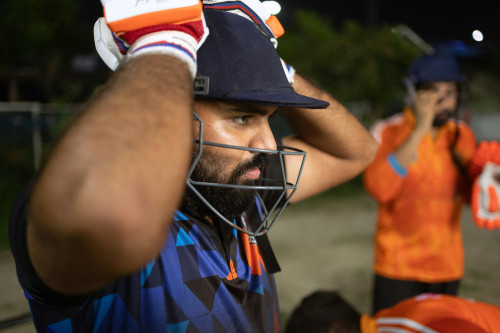


How Team Performance Can Restore Individual Form
The relationship works both ways. A cohesive team environment can help players rediscover their best form. When communication is clear and roles are well-defined, players feel secure and free to express themselves.
Strong leadership plays a key role here. Captains like Kane Williamson have been praised for fostering calm, supportive cultures where players are encouraged to contribute in different ways – whether through fielding, tactical input, or simply maintaining team spirit. In such environments, even those out of form can still add value, which often helps them regain confidence faster.
Data and Psychology – Two Sides of the Same Coin
Modern cricket relies heavily on data analysis to track form and performance. Metrics like strike rate, economy rate, and consistency help coaches make informed decisions. Yet numbers alone don’t tell the full story.
Form also involves emotion, rhythm, and trust. A player might have solid statistics but still lack the mental sharpness needed in clutch moments. That’s why many teams now combine analytics with psychological insights, ensuring that both the physical and mental aspects of performance are understood and supported.
Finding the Balance Between Individual and Team Success
The best cricket emerges when individual form and team performance align. It requires a culture where success is measured not only by personal milestones but by collective contribution. Players in form should use their momentum to uplift others, while the team should create conditions that allow everyone to perform at their best.
Ultimately, cricket is a game of connection – between players, coaches, and shared goals. When that balance is achieved, a team can rise far above the sum of its parts, embodying the spirit of unity that New Zealand cricket is known for.
Læs også: