Rules and Structure in American Football – and How They Affect Betting

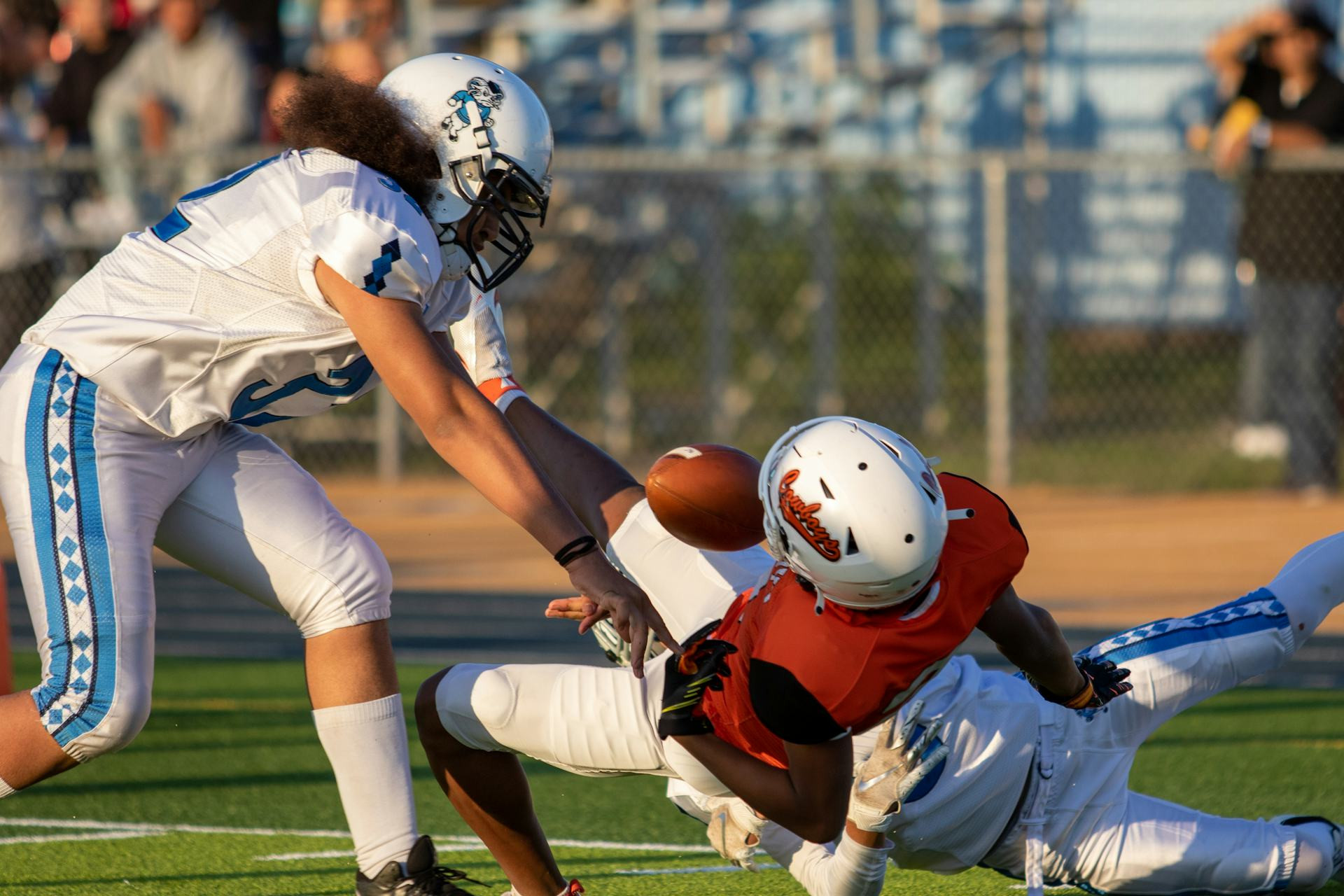
Rules and Structure in American Football – and How They Affect Betting
American football is one of the most strategic and data-driven sports in the world. Every game is a mix of physical power, tactical planning, and precise execution – and that complexity makes it both fascinating and challenging for bettors. To make informed predictions on NFL or college football games, it’s essential to understand the sport’s basic rules and structure.
Game Structure – Four Quarters and Constant Momentum Shifts
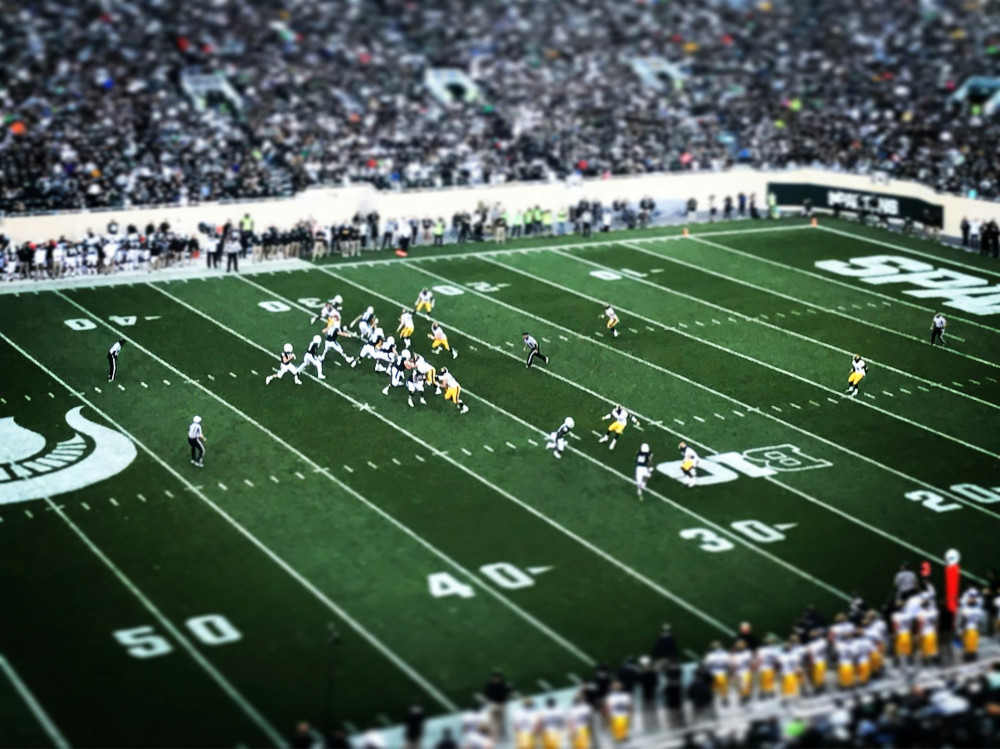
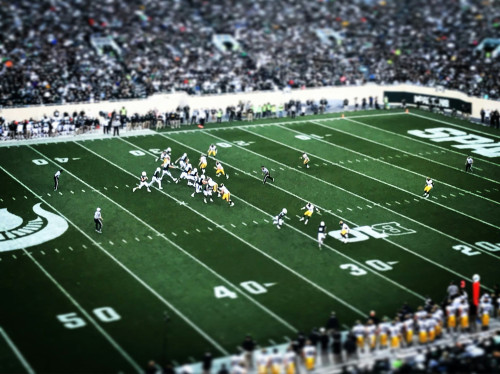
An American football game lasts 60 minutes, divided into four quarters of 15 minutes each. The clock stops frequently, so a full game often takes more than three hours to complete. Each half begins with a kickoff, and teams switch sides after every quarter.
This stop-start rhythm has a major impact on betting. Some teams are known for fast starts, while others excel in the final quarter. Live betting markets take advantage of these momentum swings, as odds shift rapidly depending on how the game unfolds. For New Zealand bettors following the NFL or US college football, understanding these patterns can help identify value during in-play markets.
The Down System – The Tactical Core of the Game
At the heart of American football lies the down system. A team has four attempts (downs) to move the ball at least 10 yards forward. If successful, they earn a new set of four downs. If not, they must either punt (kick the ball away) or attempt a field goal.
This system creates a constant balance between risk and safety. For bettors, it’s crucial to analyse how teams approach these situations. Some teams play conservatively, relying on short passes and steady progress, while others take aggressive shots downfield. Knowing a team’s play-calling tendencies can be a major advantage when betting on point totals or spread markets.
Læs også:
Scoring System – More Than Just Touchdowns
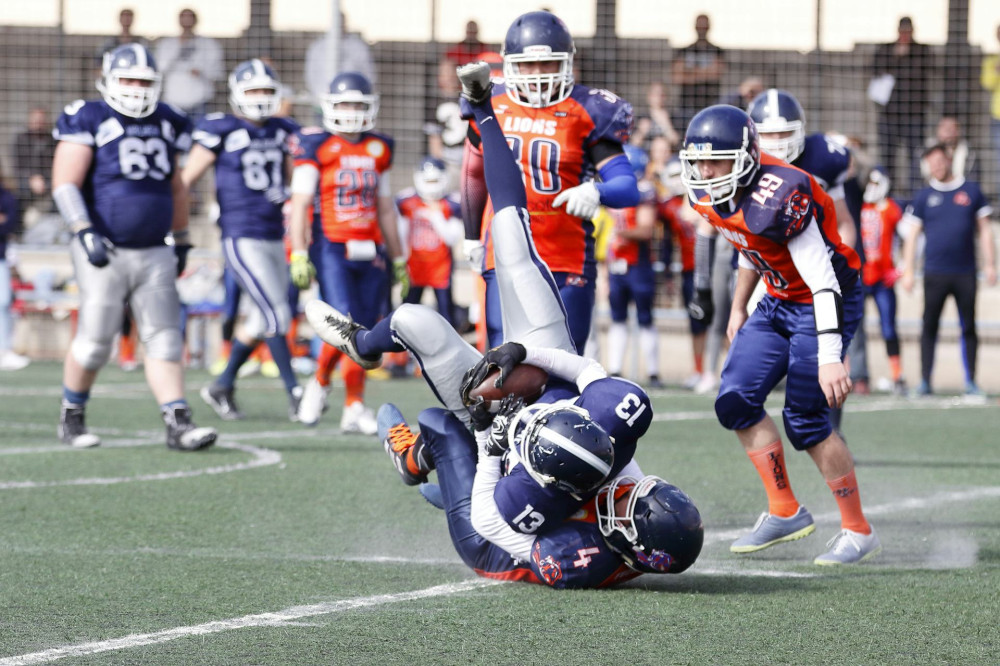
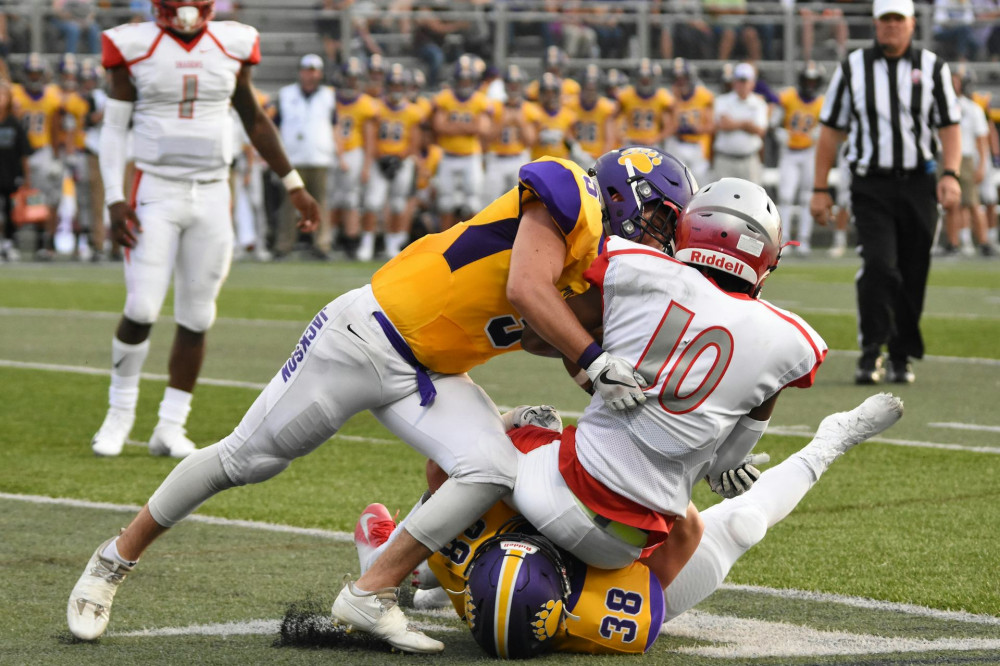
A touchdown is worth 6 points, followed by a chance to add either one extra point (via a kick) or two points (by running or passing the ball into the end zone again). A field goal is worth 3 points, and a safety – when the defence tackles the opponent in their own end zone – gives 2 points.
For bettors, this non-linear scoring system means that games can change dramatically in seconds. A single turnover or long play can swing the score and the betting line. Understanding how different scoring options affect the likelihood of covering a spread or hitting an over/under total is key to smart wagering.
Offense, Defense, and Special Teams – Three Units, Three Roles
Each American football team is effectively made up of three specialised units:
- Offense – responsible for advancing the ball and scoring points.
- Defense – aims to stop the opponent’s offense.
- Special Teams – handle all kicking, punting, and return plays.
Each unit has its own strategies and strengths. A team with a dominant defence can win low-scoring games even if its offense struggles. For bettors, this means that analysing all three units – not just the star quarterback – can reveal hidden value, especially in totals markets or bets on close games.
Penalties and Turnovers – The Hidden Game-Changers
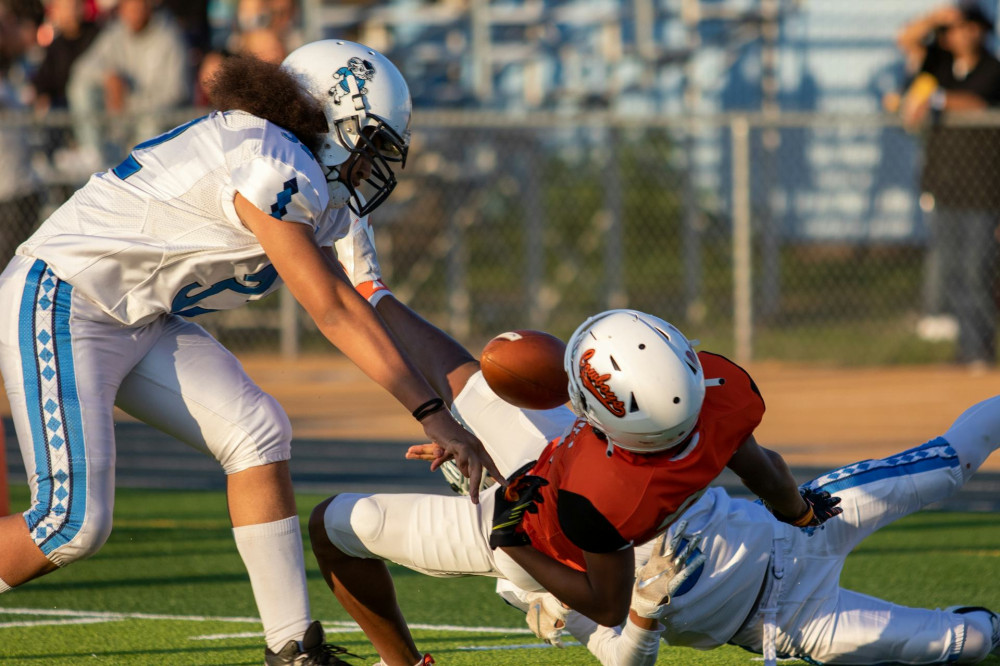
Penalties (infractions) and turnovers (lost possessions) can completely alter a game’s flow. A team that frequently commits penalties or loses the ball not only gives up field position but also loses momentum. The “turnover differential” – the difference between turnovers gained and lost – is one of the most telling statistics for long-term success.
For bettors, this is a crucial factor. Teams that consistently lose the turnover battle rarely cover the spread over time. Discipline and ball security often matter more than flashy offensive plays.
Overtime and Tied Games
If a game is tied after four quarters, overtime rules apply. In the NFL, each team gets at least one possession unless the first team scores a touchdown. In college football, both teams start from the opponent’s 25-yard line and alternate possessions until a winner is decided.
Overtime can have a big impact on betting outcomes, especially for totals and moneyline bets. A late touchdown in overtime can flip a result that looked settled in regulation. Bettors should always check the specific competition’s overtime rules before placing a wager.
Statistics and Analysis – The Bettor’s Best Tools
American football is a sport built on data. Metrics like yards per play, red zone efficiency, and third-down conversion rates help measure a team’s true performance. Professional bettors often use advanced models that combine these stats with external factors such as weather, injuries, and home-field advantage.
For casual bettors in New Zealand, keeping track of team form, quarterback performance, and injury reports can make a big difference. Even small changes – like a key offensive lineman being ruled out – can shift the balance of a game and the betting market.
From Rules to Strategy – Understanding Before Betting
Betting on American football requires more than luck. It demands an understanding of the game’s structure, rhythm, and the many variables that influence outcomes. The better you understand the rules and strategies, the more effectively you can spot when odds are mispriced or when a team’s chances are being overestimated.
American football rewards those who think like coaches, not just spectators. And that’s exactly what makes it one of the most exciting and intellectually engaging sports to bet on – whether you’re watching from Auckland, Wellington, or anywhere else in New Zealand.
Læs også: