Statistics in Cycling: Measuring Team Resource Utilisation and Race Efficiency

Statistics in Cycling: Measuring Team Resource Utilisation and Race Efficiency
In modern cycling, statistics have become an essential part of training, tactics, and race analysis. Where intuition and experience once guided decisions, teams now rely on advanced data to measure everything from power output and heart rate to positioning and teamwork. Statistics are not just about numbers – they are about understanding how a team uses its resources most effectively and how efficiency can be turned into results on the road.
From Intuition to Data-Driven Decision Making
Cycling has undergone a digital transformation. GPS devices, power meters, and sensors continuously record riders’ performance. This allows coaches and sports directors to analyse exactly how much energy is used in different phases of a race and how riders respond to physical stress.
In the past, decisions were often based on observation and gut feeling. Today, data can reveal whether a rider has spent too much energy too early or whether the workload has been distributed optimally between domestiques and the team leader. Statistics make it possible to adjust strategies from race to race – and even during multi-stage events.
Læs også:
Efficiency: When Teamwork Becomes Measurable
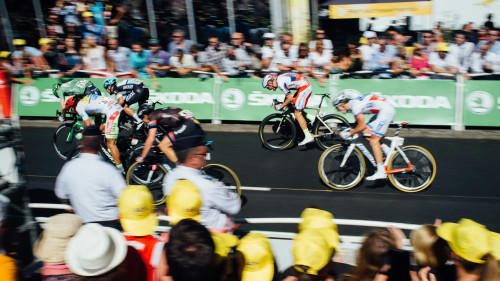
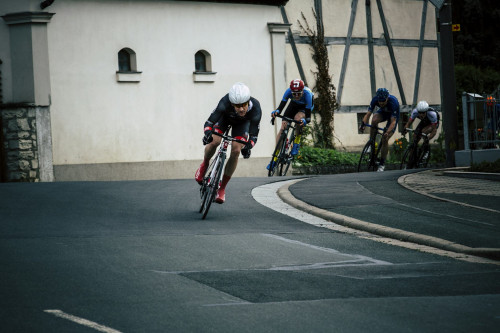
A cycling team functions like a finely tuned machine, with each rider playing a specific role. Some protect the leader from the wind, others fetch bottles, while the sprinter is saved for the final metres. Statistics can show how effectively this cooperation works.
By analysing data such as average speed during lead work, time spent at the front, and energy consumption per kilometre, teams can assess whether their collaboration is balanced. If one rider consistently expends more energy than others, it may indicate an imbalance in workload distribution. It can also reveal whether the team’s tactics align with each rider’s strengths.
Resource Utilisation: The Hidden Key to Success
In a stage race, success is not only about being the fastest – it’s about using energy wisely. Statistics help teams plan how riders should manage their effort over several days. By comparing power data, recovery times, and sleep metrics, teams can predict when a rider is at risk of fatigue.
Some teams even use models that calculate “energy economy” – how much energy is spent relative to the result achieved. This provides insight into how efficiently a team converts effort into performance. A team that can maintain high results with lower energy expenditure gains a clear competitive advantage.
Data in Practice: From Training to Race Strategy
The use of statistics doesn’t stop when the race begins. During training, data is used to simulate race scenarios and test different strategies. By analysing past races, teams can identify patterns: where time is lost, when riders are most vulnerable, and which formations offer the best protection against crosswinds.
During a race, real-time data gives the sports director an overview of each rider’s condition. If a rider shows signs of fatigue, tactics can be adjusted immediately. This makes decision-making more precise – and often more successful.
Statistics as a Competitive Edge
Today, victories are determined not only by physical strength but also by who understands the numbers best. The most successful teams employ data analysts who work closely with coaches and riders. They translate complex datasets into actionable insights: when to attack, how long a pace can be sustained, and how to distribute effort in mountain stages.
Statistics have thus become a competitive factor on par with equipment and talent. The team that can combine human intuition with data-driven insight stands strongest in the battle for victory.
The Future: Artificial Intelligence and Predictive Analysis
The development doesn’t stop here. More teams are experimenting with artificial intelligence that can predict race outcomes based on thousands of data points. Algorithms can analyse weather conditions, route profiles, and riders’ form curves to suggest the most efficient strategy.
For New Zealand’s growing cycling community – from elite teams competing in the Tour of Southland to local clubs training on the country’s hilly terrain – these tools represent a new frontier. The future of cycling will increasingly be decided by those who can turn data into action, without losing the human element that keeps the sport unpredictable and inspiring.
Læs også: